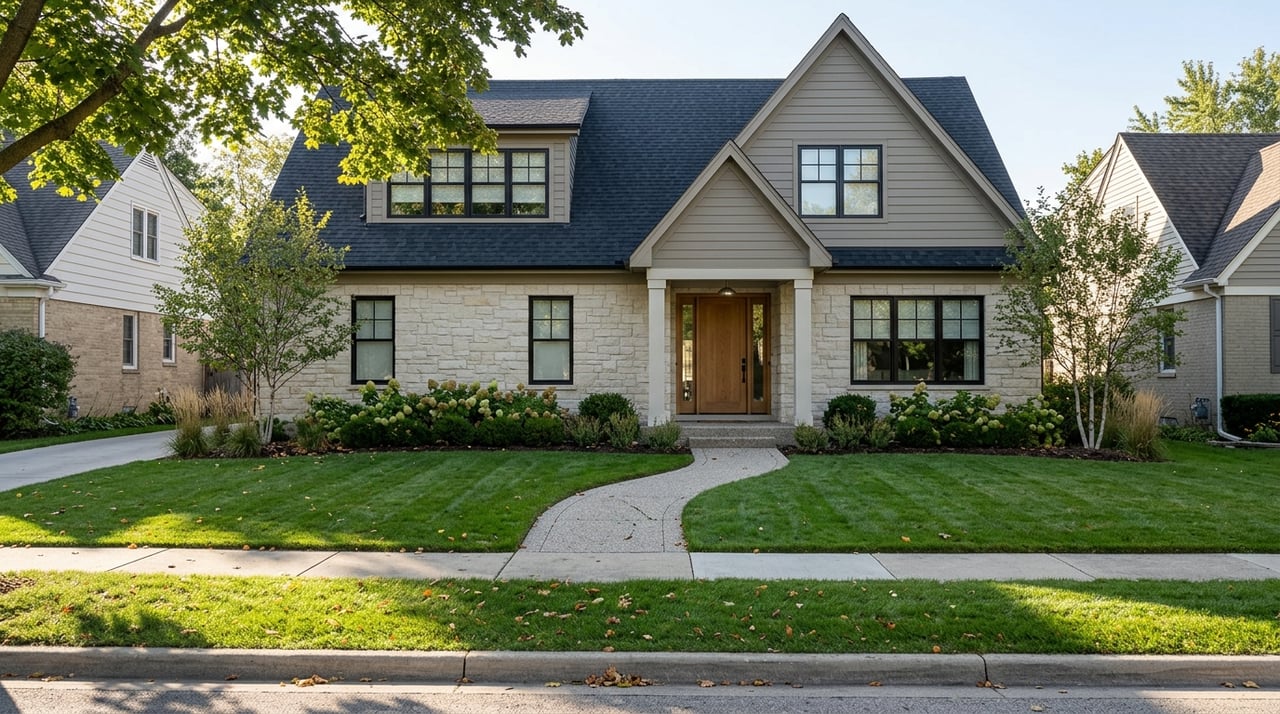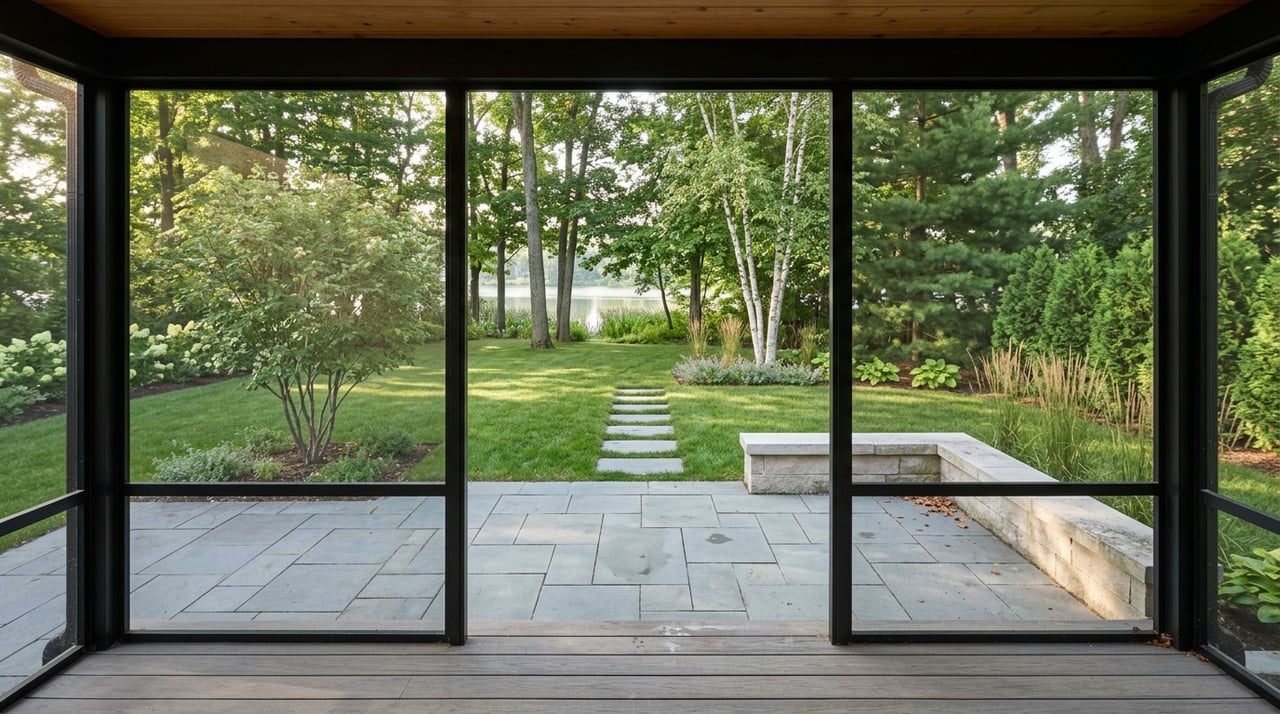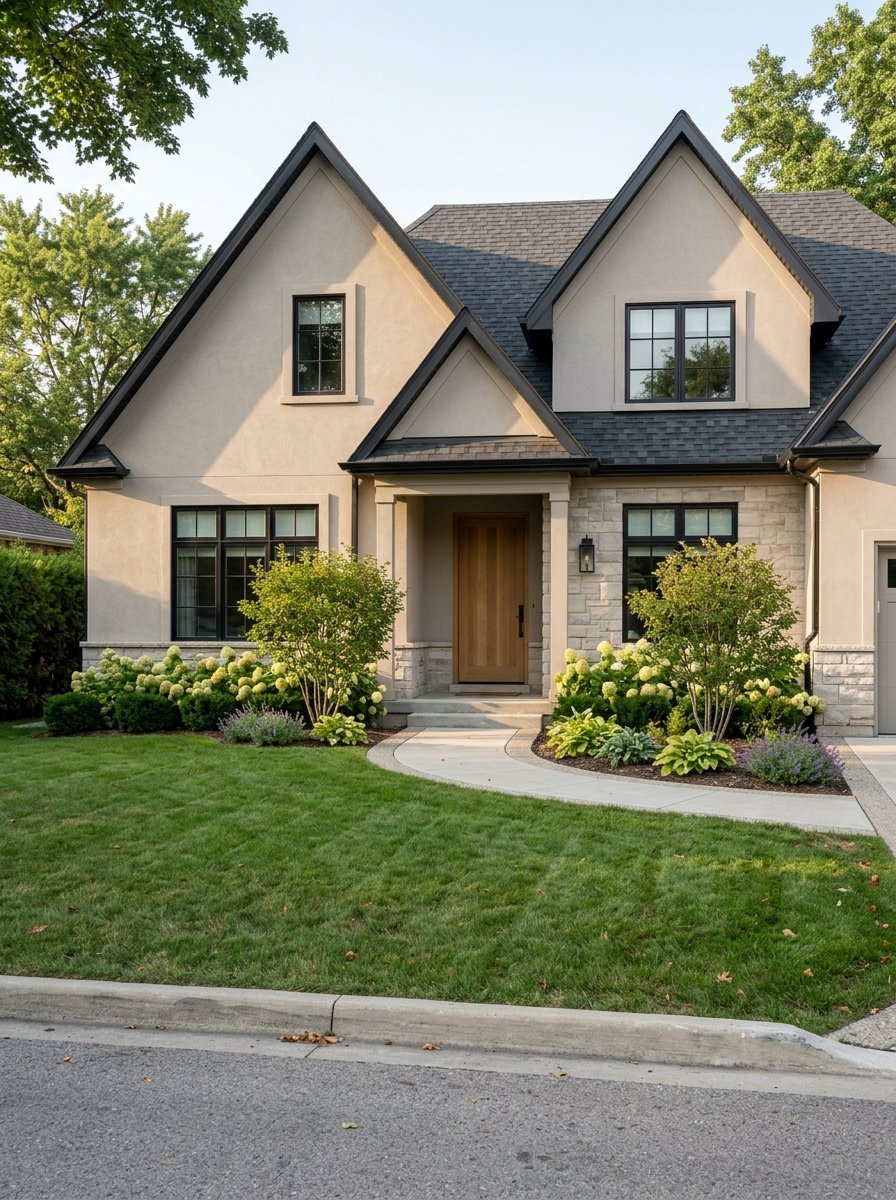
Thinking about buying near Delavan Lake? The view might win your heart fast, but the shoreline, zoning, and day-to-day lake rules can shape your ownership experience just as much as the home itself. If you want to buy with confidence, it helps to understand how Delavan’s lake-area properties work before you make an offer. Let’s dive in.
Why Delavan Lake Homes Stand Out
Delavan Lake is a large inland lake of about 2,072 acres with roughly 13 miles of shoreline. Wisconsin DNR materials describe it as a moderately large eutrophic lake, and the lake level is managed by a dam on Swan Creek. That means the lake is both a major lifestyle draw and a managed natural resource.
The shoreline is also heavily developed for residential use. In practical terms, that usually means direct waterfront opportunities are limited, and details like frontage, access, and riparian rights can matter just as much as square footage or finishes inside the house. When you compare two lake-area homes in Delavan, the real difference may be how you can actually use the water.
Delavan is not only a private-frontage market. The Town of Delavan says Community Park includes a beach, boat launch, fishing pier, and other amenities, and it notes that Delavan Lake offers more than 2,000 acres for boating and recreation. So if you are buying nearby rather than directly on the lake, access and lifestyle can still be a major part of the value.
Focus on Shoreline Rights and Access
When you shop for a lake-area home in Delavan, start by asking what comes with the property beyond the house itself. A waterfront address does not automatically answer every question about pier placement, shoreline improvements, boat storage, or access. Those details need to be confirmed early.
For many buyers, the biggest value questions include:
- Whether the property has direct frontage
- What type of lake access is included
- Whether there are shared or limited-use arrangements
- What riparian rights come with the parcel
- Whether existing shoreline features are properly permitted
This matters because Delavan’s shoreline is already highly developed. On a lake like this, even small differences in lot setup or legal use can affect how you enjoy the property over time.
Understand Which Rules Apply
One of the most important steps is figuring out which local jurisdiction controls the property. That may sound technical, but it can affect what you can change, what permits you need, and how the property can be used.
Walworth County shoreland zoning applies in unincorporated areas within 1,000 feet of a lake or pond, 300 feet of a river or stream, or the landward edge of the 100-year flood elevation, whichever is greater. The county also maintains separate forms for waterfront zoning, impervious surface review, vegetation removal, wetland delineation, and ordinary high-water mark requests. That is a strong sign that lake-area improvements receive close review.
At the state level, the Wisconsin DNR regulates activities below the ordinary high-water mark, while local governments regulate shoreland and floodplain activity above it. For you as a buyer, that means features such as piers, docks, stairs, seawalls, shoreline stabilization, and vegetation clearing can involve more than one layer of regulation.
Know the Town of Delavan Lake Rules
If the property is in the Town of Delavan, local lake regulations add another layer to your due diligence. The town requires permits for buoys and rafts, requires piers to display address numbers, and regulates mooring and anchoring. It also limits overnight anchoring without a permit and prohibits anchoring in swim areas, public beaches, or landings.
These are not small details if you plan to spend time on the water. A home that seems perfect for boating may still come with rules that shape how you launch, moor, or store watercraft. It is better to know that before you write an offer than after you close.
Check Condo and Association Documents Early
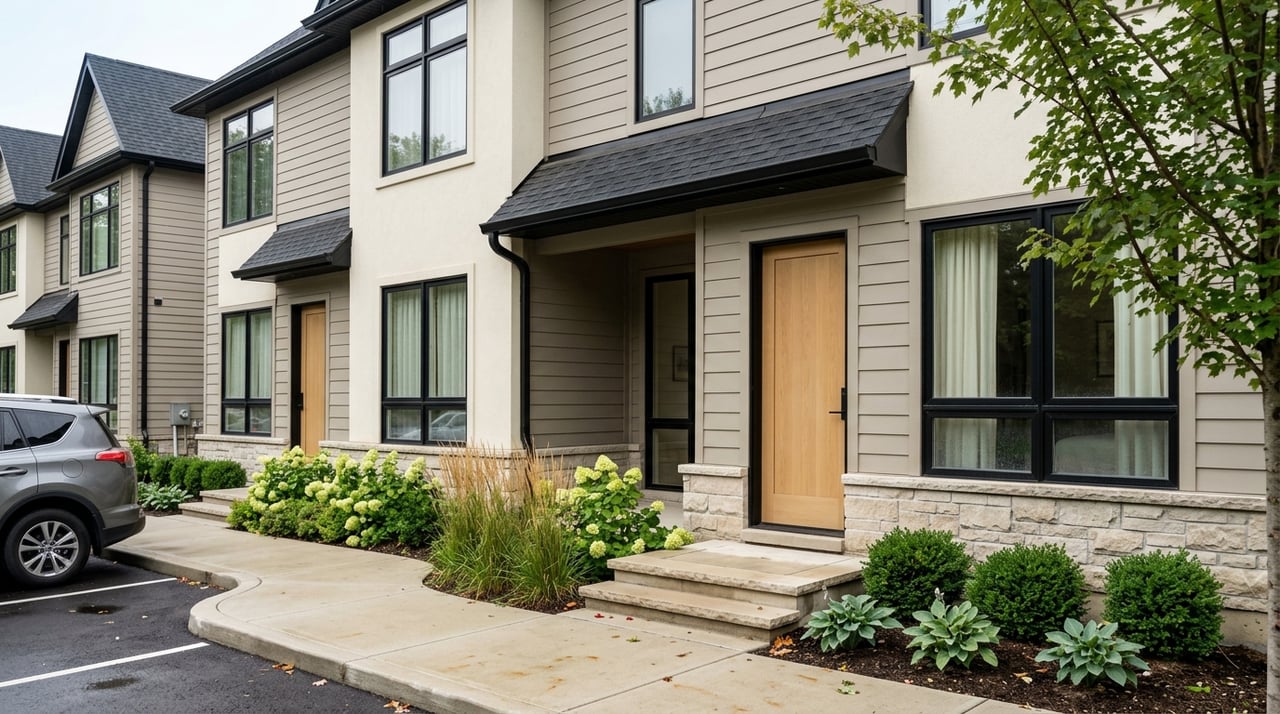
Not every buyer in Delavan wants a single-family waterfront home. Condos and association-based properties can offer a different price point and lower exterior maintenance, but they come with another important layer of review.
Before you move forward, ask for the rules that affect daily lake use. In many communities, those documents can control docks, lifts, boats, parking, exterior storage, guest use, and rentals. In real life, those rules can matter just as much as municipal regulations.
If a property includes shared lake access, this step is especially important. You want to understand not just what the listing says, but what the governing documents actually allow.
Think About Seasonal Ownership
A lake home is not just a summer photo backdrop. Delavan Lake is a managed waterbody, and the Delavan Lake Sanitary District notes that normal lake levels differ between winter and summer while also tracking ice-on and ice-off dates. That means seasonal changes are part of ownership.
Before buying, think through how you plan to use the property across the year. A full-time home, a second home, and an occasional getaway can all require different planning for maintenance, winterization, storage, and access.
Some good questions to ask include:
- Will you remove the dock seasonally?
- Does the home need winterization support?
- How much offseason use do you realistically want?
- Is there storage for boats and equipment?
- What shoreline maintenance may be needed over time?
These are practical questions, but they can make a big difference in both cost and convenience.
Look Closely at Shoreline Condition
Delavan Lake has a long management history. Wisconsin DNR and USGS sources describe decades of nutrient-reduction work, wetland projects, shoreline restoration, and invasive plant control. The DNR also notes that the lake had severe historical algae problems, while management work has reduced the worst blooms, though nutrient loading and Eurasian water milfoil remain ongoing concerns.
For buyers, the takeaway is simple. Shoreline condition is not a cosmetic side issue. It is a real ownership topic that deserves attention during inspections and property review.
When you evaluate a home, pay attention to:
- Signs of erosion
- Existing seawalls or stabilization measures
- Vegetation along the shoreline
- General maintenance of lake-facing improvements
- Whether older improvements may need updated review or permits
A beautiful lot can still come with future work. Knowing that upfront helps you budget and plan realistically.
Boating Access Comes With Responsibilities
If boating is part of your plan, treat that as more than a bonus feature. Town of Delavan regulations include no-wake areas, launch-area preparation rules, and a requirement to remove weeds and zebra mussels from boats and trailers before leaving the park. In other words, lake access is a regulated use, not just an amenity.
That matters for lifestyle buyers because it affects how smooth your weekends feel in practice. If you will be launching regularly, storing equipment, or moving a boat in and out, it helps to understand the rules and upkeep expectations tied to that routine.
Be Clear About Second Home vs. Rental Use
Your intended use can shape the financing conversation. Fannie Mae guidance says a second home must be a one-unit dwelling, occupied by the borrower for part of the year, suitable for year-round occupancy, under the borrower’s exclusive control, and not rental property or a timeshare arrangement. It also treats second homes and investment properties differently for pricing and eligibility.
That distinction matters in Delavan, especially if you are considering part-time use with rental income. If you plan to rent the property, particularly under a management arrangement or with occupancy controlled by a rental company, the property may be treated differently for underwriting purposes.
This is one of those areas where clear planning helps. If you know whether you want a personal getaway, a primary residence, or an income-focused property, you can ask better questions from the start.
Review Short-Term Rental Rules by Jurisdiction
In Delavan, short-term rental rules can differ sharply depending on whether the property is in the City of Delavan or the Town of Delavan. In the city, a short-term rental needs an annual license, may operate only in seven-night minimum stays, may not exceed 180 consecutive days in a 365-day period, and must meet parking, operator, reporting, and room-tax requirements.
In the town, the owner must complete annual state, county, town, and tax paperwork. The town also states that it will not approve or renew until all paperwork and payment are received. If rental use matters to you, this is something to verify before offering, not after closing.
Put Flood and Insurance Questions First
Flood risk should be checked early. FEMA says that properties in a Special Flood Hazard Area with a government-backed mortgage generally require flood insurance. For a lake-area buyer, that means insurance should be part of your first round of due diligence, alongside financing and property condition.
It is also smart to confirm that insurance quotes align with lender requirements before closing. Waiting until the last minute can create avoidable stress, especially on waterfront properties where coverage questions may take extra review.
A Smart Delavan Buyer Checklist
If you want a simple way to stay organized, start with this checklist before or during the offer stage:
- Verify the exact parcel location
- Confirm whether the property is in the City of Delavan, Town of Delavan, or unincorporated Walworth County area
- Review HOA or condo documents if applicable
- Check flood maps early
- Confirm whether piers, docks, buoys, shoreline structures, and rental uses are properly permitted
- Ask how the property is used seasonally and what winter planning is typical
- Review lake-access details just as carefully as the house itself
When you buy near the water, the goal is not just finding a home you love. It is making sure the property fits the way you actually want to live.
Buying a lake-area home in Delavan can be exciting, but it also rewards careful, local due diligence. If you want a clear, well-managed process and someone who will help you think through the real-world details, Jessica Grieser is here to help.
FAQs
What should you verify before buying a lake-area home in Delavan?
- Verify the parcel location, governing jurisdiction, flood-map status, association rules, and whether existing docks, piers, buoys, shoreline structures, and rental uses are properly permitted.
How do shoreline rules affect Delavan lake-area homes?
- Shoreline rules can affect vegetation clearing, docks, piers, stairs, seawalls, stabilization work, and other improvements, with some activities reviewed by Walworth County, the Town of Delavan, or the Wisconsin DNR depending on location and scope.
What is important about condo lake access in Delavan?
- For condo or association properties, you should review governing documents early because rules on docks, lifts, boats, parking, exterior storage, guests, and rentals can shape everyday use.
Can you use a Delavan lake home as a short-term rental?
- Possibly, but the rules depend on whether the property is in the City of Delavan or the Town of Delavan, and each has its own licensing or annual paperwork requirements.
Why should flood insurance be checked early for Delavan waterfront homes?
- Flood insurance may be required for some properties with government-backed mortgages, so checking flood-map status and insurance costs early helps avoid delays and surprises before closing.