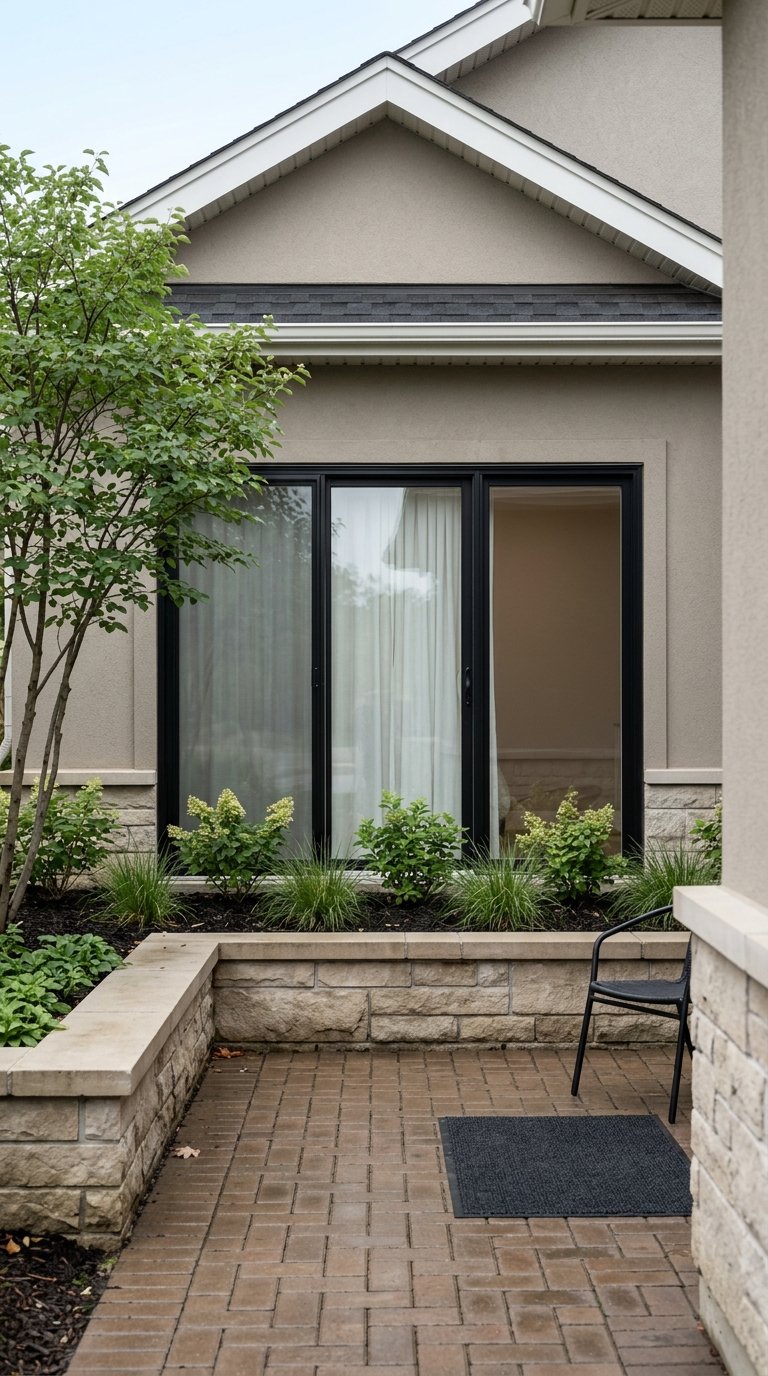
Wondering if a condo or townhome in Kenosha could make life simpler? If you want less yard work, fewer exterior chores, and a home that better fits a busy schedule, attached housing can be worth a close look. In a market with limited condo and townhome inventory, it helps to know what you are really buying, what the monthly costs may include, and which questions matter most before you make an offer. Let’s dive in.
Why Kenosha works for low-maintenance living
Kenosha offers a mix of lakefront access, commuting convenience, and everyday amenities that can pair well with condo or townhome ownership. The city sits along Lake Michigan between Chicago and Milwaukee, which makes it appealing if you want access to both metro areas while staying rooted in southeast Wisconsin.
Downtown Kenosha adds another layer of convenience. The area includes lakefront parks and beaches, the Electric Streetcar, free public parking, and the METRA station. If your goal is a more walkable routine or an easier commute, attached housing near these features may support that lifestyle.
Kenosha market conditions to know
Kenosha’s housing market is competitive, and that matters when you are shopping for lower-maintenance options. Recent market data shows median sale prices in the upper $200,000s, with homes moving relatively quickly.
Attached housing supply is even tighter than the broader market. Current city inventory shows only a small number of active condo listings, with asking prices ranging from about $189,900 to $419,900, and only a few townhomes available within Kenosha city limits. That means you may need to act decisively when the right fit appears.
Condos vs. townhomes
A condo usually means you own an individual unit within a larger community while sharing ownership of common areas with other owners. A townhome is often a two- or three-level attached home with one or more shared walls, and it may also be part of an HOA-managed community.
For many buyers, the main appeal is simple. You often trade some exterior responsibilities for a more predictable day-to-day ownership experience. That can be especially attractive if you would rather spend your time enjoying Kenosha than handling lawn care, snow removal, or exterior repairs.
What low-maintenance really means
Low-maintenance does not mean no-maintenance. Instead, it usually means some of the work is handled through the association rather than by you directly.
Depending on the community, condo or HOA fees may help cover items like exterior maintenance, common-area upkeep, water, sewer, trash, amenities, master insurance, and reserve funding. In Kenosha, sample monthly fees from current listings fall around $225, $240, $300, $308, and $330, which shows how much costs can vary from one community to another.
Some associations also include features that go beyond the basics. For example, one current Kenosha listing includes shared green space and a boat slip or pier. That is a good reminder that a higher fee is not always a negative if it supports amenities or services you will actually use.
Costs to budget for
When you compare condos and townhomes, focus on your total monthly housing cost, not just the mortgage payment. HOA dues are typically paid directly to the association, and they are separate from your mortgage servicer.
Your monthly budget may include:
- Principal and interest
- Property taxes
- HOA or condo dues
- Your unit insurance policy
- Possible utility costs not covered by the association
This bigger-picture view matters because dues, taxes, and insurance costs can change over time. A home with a lower sale price but higher monthly dues may or may not be the better fit for your budget.
Insurance questions in Wisconsin
If you are buying a condo in Kenosha, insurance deserves careful attention. In Wisconsin, the association generally insures the building and common property, while the unit owner typically needs an HO-6 policy for the interior, personal property, and liability.
You should also ask whether flood coverage is needed, especially if you are considering a lakefront or lower-lying location. The Wisconsin Office of the Commissioner of Insurance notes that standard condo insurance usually does not cover flood losses. It also notes that loss assessment coverage can help if the association charges owners an assessment tied to a covered common-property loss.
Why reserve funds matter
Reserve funds are one of the most important parts of condo ownership, but they do not always get enough attention. In Wisconsin, reserve funds are separate funds for repair and replacement of common elements, and associations must consider reserve balances, expected repair costs, remaining useful life, and other relevant factors when setting reserve assessments.
In practical terms, healthy reserves may help a community plan for future repairs more responsibly. If reserves are too low, owners could face larger increases or special assessments later. That is why reviewing the association’s financial picture is just as important as liking the unit itself.
Questions to ask before you buy
Before you write an offer on a condo or townhome in Kenosha, ask focused questions about both the property and the association. This is where a low-maintenance lifestyle can either feel easy and predictable or become more complicated than expected.
Key questions include:
- What exactly do the monthly dues cover?
- Are any special assessments pending or being discussed?
- How much money is in reserves?
- What does the association’s master insurance cover?
- Are there rules on pets, parking, rentals, or exterior changes?
- Will the community meet your lender’s requirements?
These questions help you compare communities more clearly. They also help you avoid choosing based only on appearance or list price.
Wisconsin condo documents to review
Wisconsin has specific condo disclosure requirements, and buyers receive important protections during the review process. Sellers are required to provide documents such as the declaration, bylaws, rules, articles of incorporation, projected annual budget, leases, expansion plans, floor plan, and executive summary.
Buyers also have a 5-business-day rescission right after receiving the required materials or material changes. In addition, buyers may request recent financial statements, meeting minutes, special-assessment information, an insurance certificate, reserve balance information, common-element inspection reports, pending litigation information, and any master-association documents.
This paperwork may sound overwhelming at first, but it can tell you a great deal about how the community is run. A well-managed process helps you understand not just the home, but the long-term ownership experience.
Financing and lender review
Financing a condo can involve more review than financing some detached homes. Lenders may evaluate the physical condition of the community, financial stability, structural debt, pending lawsuits, and other factors when deciding whether a condo is warrantable.
That means the right unit on paper still needs to work from a lender’s point of view. If you are buying in a smaller or more specialized community, it is smart to confirm lender compatibility early so you can move forward with fewer surprises.
Lifestyle details that matter in Kenosha
In Kenosha, the monthly fee is only part of the equation. Your day-to-day lifestyle may depend just as much on location, parking, and transportation access.
If you are looking downtown or near the lakefront, check how parking works, what nearby transit options are available, and how close you will be to the places you visit most often. Downtown Kenosha offers free parking, the Electric Streetcar, and access to the METRA station, which can make attached living especially practical for some buyers.
Who may benefit most
Condos and townhomes can make sense for many different buyers, but they are especially appealing if you want less hands-on upkeep. You might be a first-time buyer who wants simpler maintenance, a busy professional who values efficiency, or a downsizer who wants to reduce exterior responsibilities.
They can also be a strong option if you are comparing commute patterns between Wisconsin and Illinois. In a border-market area like Kenosha, attached housing can offer a practical way to stay flexible while keeping your homeownership routine manageable.
How to compare communities wisely
When inventory is limited, it is easy to focus on what is available right now rather than what truly fits your needs. A better approach is to compare each option across four areas: price, monthly cost, rules, and convenience.
Ask yourself:
- Does the layout fit your daily routine?
- Do the fees match the services and amenities offered?
- Are the association rules workable for your lifestyle?
- Does the location simplify commuting, errands, or recreation?
That kind of side-by-side comparison can help you make a more confident choice, especially in a market where attached listings are scarce.
If you are exploring condos and townhomes in Kenosha, the goal is not just to buy a home. It is to find the version of homeownership that feels easier, clearer, and more supportive of the way you want to live. When you understand the costs, documents, insurance, and community structure, you can move forward with more confidence.
If you want a clear, well-managed buying process with thoughtful guidance along the way, Jessica Grieser is here to help.
FAQs
What makes condos in Kenosha low-maintenance?
- Condos in Kenosha can be lower-maintenance because the association often handles exterior repairs, common-area upkeep, and some shared services through monthly dues.
What should you budget for with a Kenosha townhome or condo?
- You should budget for the full monthly cost, including mortgage, property taxes, HOA dues, unit insurance, and any utilities not covered by the association.
What do condo fees in Kenosha usually cover?
- Condo fees may cover exterior maintenance, common areas, water, sewer, trash, amenities, master insurance, and reserve funding, but coverage varies by community.
What insurance do condo buyers in Wisconsin usually need?
- Condo buyers in Wisconsin typically need an HO-6 policy for the interior, personal property, and liability, while the association generally insures the building and common property.
What documents should buyers review for a Kenosha condo?
- Buyers should review the declaration, bylaws, rules, budget, financial statements, meeting minutes, reserve information, insurance details, special-assessment information, and other association documents provided during disclosure.
Why are reserve funds important in a Kenosha condo association?
- Reserve funds matter because they help pay for future repair and replacement of common elements, which can reduce the chance of unexpected special assessments.
Is condo and townhome inventory limited in Kenosha?
- Yes, current market snapshots show a small number of active condo listings and only a few townhomes for sale within Kenosha city boundaries.
What should buyers ask about downtown Kenosha condos?
- Buyers should ask about parking, transit access, monthly dues, insurance coverage, reserve strength, and any association rules that may affect daily living.