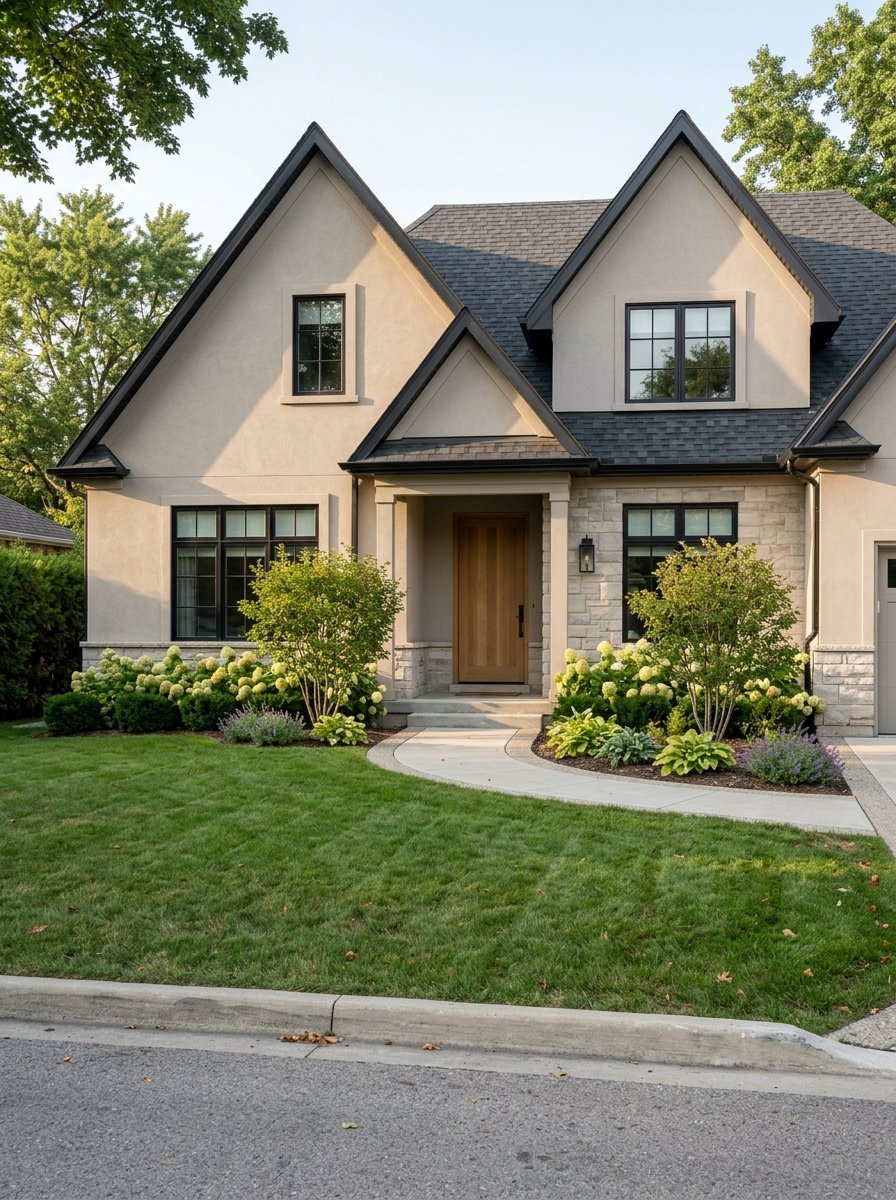
Are you trying to decide whether Lake Geneva should be your everyday home base or your weekend escape? That choice matters more than it may seem, because the way you plan to use a home affects everything from daily convenience to parking, taxes, financing, and long-term upkeep. If you are weighing full-time living against seasonal ownership, this guide will help you compare both paths in a clear, practical way. Let’s dive in.
Why Lake Geneva Appeals to Both
Lake Geneva has a rare mix that draws two very different kinds of buyers. It offers real year-round city services and community infrastructure, while also functioning as a four-season recreation destination.
The city sits in southeastern Wisconsin in Walworth County, about 10 miles north of the Illinois state line. It is roughly 75 miles from Chicago and about 45 miles from Milwaukee, with the area also described as about 90 minutes from O’Hare and about 45 minutes from Milwaukee Mitchell. That location helps explain why it attracts both full-time residents and second-home buyers from nearby metro areas.
Lake Geneva is not just a summer market. The area is active across all four seasons, and places like Big Foot Beach State Park are open year-round for hiking, beach access, snowshoeing, and cross-country skiing. City parks are also generally open year-round, with limited exceptions.
Lake Geneva as a Primary Home
If you are thinking about living in Lake Geneva full time, the strongest case is simple: the city functions like a real hometown, not just a vacation spot. That matters when you need dependable services in January, not just fun things to do in July.
Year-Round City Services
Lake Geneva’s Public Works Department supports daily life throughout the year. It handles 45 miles of roadways, sidewalks, bike trails, the boat launch, the lakefront, 21 city parks and natural areas, snow plowing, and seasonal brush and leaf pickup.
For a primary homeowner, those details shape everyday living. Services like resident-only brush drop-off and ongoing street maintenance are the kinds of practical benefits that make full-time ownership easier to manage.
Community Anchors Matter
Buyers looking for a primary residence often want more than scenery. They want a place with consistent public services and community resources.
Lake Geneva Schools reports a district structure that includes Lake Geneva Joint #1 Schools and Lake Geneva-Genoa City Union High School, with five school buildings and two charter schools. The Lake Geneva Public Library is open year-round and provides access to more than 1.4 million items through a shared county system.
Those are not resort-style extras. They are part of what makes the city workable for day-to-day life.
Public Safety and Daily Operations
Full-time living also depends on basic systems working well behind the scenes. The Lake Geneva Fire Department operates from two stations and provides fire suppression, EMS, public education, and technical rescue, including water and ice rescue.
The city also runs a year-round parking program. That may not sound exciting, but it is the kind of detail that matters when you live somewhere full time and need clarity on how streets, downtown access, and seasonal rules actually work.
A Real Local Rhythm
One reason Lake Geneva works as a primary home is that it has community activity beyond peak visitor season. Public events tied to the city include Venetian Fest, Fourth of July festivities, Winterfest, the annual Christmas parade, Art in the Park, Concerts in the Park, and Oktoberfest.
That creates a sense of rhythm throughout the year. If you want a place that stays active after summer ends, Lake Geneva offers more continuity than many people expect.
Lake Geneva as a Second Home
If your goal is a getaway property, Lake Geneva makes a strong case there too. The biggest draw is that it feels like an escape without feeling too far away.
Easy for Weekend Use
For many buyers from northern Illinois or southeastern Wisconsin, convenience is a major part of the appeal. The drive is manageable enough for frequent visits, which can make a second home feel practical rather than occasional.
That ease of access is paired with an area built to welcome visitors year-round. The local tourism infrastructure supports seasonal use in summer, fall, winter, and spring, which helps a second home stay enjoyable beyond the warm-weather months.
Strong Recreation in Every Season
Second-home buyers usually want a property they will actually use. In Lake Geneva, the recreation mix supports that.
Big Foot Beach State Park offers hiking trails, camping, beach access, picnic areas, playground space, and winter activities. Add in city parks, downtown events, and lake-area recreation, and you get a market that can support both high-summer weekends and quieter off-season trips.
Expect Seasonal Crowds and Parking Friction
A second home in a destination market comes with tradeoffs. In Lake Geneva, summer and special events can make parking more difficult, even though many public parking options are within a 10-minute walk of downtown and the lake.
That does not mean the area is hard to enjoy. It just means your ownership experience may feel very different in peak season than on a quiet weekday in February.
The Biggest Difference: How You Will Use the Home
In Lake Geneva, the right choice often comes down to intended use. The same property can feel manageable as a primary residence and complicated as a part-time property, or the other way around.
Primary Home Questions to Ask
If you are leaning toward full-time living, think through your daily routine:
- Do you want access to year-round municipal services?
- Will you use local parks, library services, and civic amenities regularly?
- Do you need a home that supports full-time storage, parking, and winter living?
- Are you comparing Wisconsin ownership with nearby Illinois options?
A primary residence decision is usually about consistency. You are choosing where life happens every day, not just where you unwind on weekends.
Second Home Questions to Ask
If you are leaning toward seasonal ownership, focus on practicality:
- How often will you actually use the property?
- Are you prepared for winter maintenance and off-season checks?
- Does the home have enough off-street parking?
- Are you expecting to rent it at times, and have you verified the rules?
A second home can be a great lifestyle purchase, but only if the carrying costs, logistics, and city rules fit your plan.
Winter Logistics Matter More Than Buyers Expect
Winter is one of the clearest dividing lines between full-time and part-time ownership in Lake Geneva. It is also one of the most overlooked parts of the decision.
The city has overnight winter parking rules that prohibit overnight parking on streets during the winter period, restrict overnight parking in metered stalls, and state that vehicles may not park on the street until snow has been plowed to the curb line. That means garage space, driveway capacity, and snow planning deserve real attention.
If you live in the home full time, you can build routines around those rules. If you own it seasonally, you need a plan for visits, access, and maintenance when the weather changes.
Short-Term Rental Rules Are Not a Small Detail
Some buyers assume a second home can easily double as a vacation rental. In Lake Geneva, that assumption can lead to problems.
The city regulates short-term rentals under Wisconsin statute and local ordinance. Requirements include an annual city license, a minimum seven-consecutive-day rental period, no more than 180 consecutive days of operation in any 365-day period, a designated operator within 25 miles, and at least two off-street parking spaces.
That means a second home and a short-term rental are not automatically the same thing. If rental income is part of your plan, you should confirm zoning and licensing details before you buy.
Costs, Taxes, and Financing
This is where the primary-home versus second-home decision becomes especially important. The financial structure may look different even if the home itself does not.
Local Cost Baseline
Census QuickFacts reports a July 1, 2024 population estimate of 8,691 for Lake Geneva. The same source reports a 54.8% owner-occupied housing rate, a median owner-occupied home value of $343,800, median monthly owner costs of $1,690 with a mortgage and $669 without, and median gross rent of $1,389.
Those numbers are useful for context, but they are only a starting point. Lakefront and highly amenitized properties may sit in a very different price tier.
Tax Treatment Can Differ
Wisconsin tax treatment is not the same for a primary residence and a second home. The Wisconsin Department of Revenue states that homestead-related benefits and the lottery and gaming credit are tied to primary residence use and certification rules.
In practical terms, a true second home often has a different tax profile than an owner-occupied primary residence. If your budget is tight, that distinction matters.
Financing Is Often More Conservative for Second Homes
Financing can also look different depending on occupancy. According to Fannie Mae’s current eligibility matrix, maximum loan-to-value ratios are typically higher for a one-unit principal residence than for a one-unit second home.
Fannie Mae also states that rental income from a second home generally cannot be used to qualify the borrower. For buyers, the broad takeaway is that second-home financing is often tighter and may require more cash reserves or a larger down payment.
So, Which Option Fits You Best?
Lake Geneva works well as both a primary residence and a second home, but for different reasons. If you want year-round services, civic infrastructure, and a steady daily rhythm, full-time living may make the most sense.
If you want a four-season retreat within reach of Chicago or Milwaukee, a second home can also be a smart fit. You just need to go in with clear expectations about parking, winter upkeep, financing, taxes, and any rental plans.
The best next step is not to ask whether Lake Geneva is good enough for either option. It is to ask which version of ownership matches your lifestyle, budget, and long-term goals.
If you want help thinking through the tradeoffs, local rules, and cross-border considerations between Wisconsin and Illinois, Jessica Grieser can help you make a confident plan.
FAQs
Is Lake Geneva practical for full-time living?
- Yes. Lake Geneva has year-round municipal services, public safety operations, library access, schools, parks, and community events that support everyday living.
Is Lake Geneva a good place for a second home?
- Yes. Its location near both Chicago and Milwaukee, plus year-round recreation and seasonal events, make it appealing for weekend and seasonal use.
What should buyers know about winter parking in Lake Geneva?
- The city has overnight winter parking restrictions, including limits on street parking and metered stalls during the winter period, so driveway and garage planning are important.
Can you use a Lake Geneva second home as a short-term rental?
- Possibly, but only if the property meets city rules. Lake Geneva requires licensing and applies limits such as a minimum seven-day rental period, operator requirements, and off-street parking standards.
Do primary homes and second homes get treated differently in Wisconsin?
- Yes. Wisconsin primary residence benefits and credits follow specific residency and use rules, so a second home may have a different tax profile.
Is financing different for a Lake Geneva second home?
- Often, yes. Second-home financing is generally more conservative than financing for a primary residence, and buyers may face different down payment or qualification standards.